Vowel Chart
How to pronounce Ojibwe words. *All consonants
sound the same as they do in English.
"Zh"- sounds like the "su" in measure
"a" - sounds like the "u" in sun
"aa"- sounds like the "a" in father *Just like many other languages, there are exceptions.
"i"- sounds like the "i" in sit I will note these when we come across them:)
"ii"-sounds like the "ee" in feet
"o"- sounds like the "o" in go
"e"- sounds like the "ay" in stay
Days of the Week:
Monday: Ishkwaa Anama'e Gizhigad - (Ish-qua Ah-nah-may Gee-ji-gad)
Tuesday: Niizho-Gizhigad (Knee-jo - Gee-ji-gad)
Wednesday: Aabitoose- (Ah-bee-doose)
Thursday: Niiyo-Gizhigad (Knee-oh - Gee-ji-gad)
Friday: Naano-Gizhigad (Nah-no - Gee-ji-gad)
Saturday: Ishkwaajanokii-(wi) gizhigad (Ish-qua-jaa-no-key (whey) Gee-ji-gad)
Sunday: Anama'e gizhigad (Ah-nah-may Gee-ji-gad)
Months of the Year
January-Manidoo-Giizis (Mah-knee-Doo Gee-zis)
February-Namebini-Giizis (Nah-may-bee-nay Gee-zis)
March-Onaabani-Giizis (Oh-nah-bah-nay Gee-zis)
April-Iskigamizige-Giizis (Is-key-gah-miz-e-gay Gee-zis)
May-Zaagibagaa-Giizis (Zaa-gee-bah-gah Gee-zis)
June-Ode’imini-Giizis (Oh-day-e-mi-nay Gee-zis)
July-Miini-Giizis (Me-nay Gee-zis)
August-Manoominike-Giizis (Mah-no-mi-knee-kay Gee-zis)
September-Waatebagaa-Giizis (Wah-tay-bah-ga Gee-zis)
October-Binaakwii-Giizis (Be-nah-kway Gee-zis)
November-Gashkadino-Giizis (Gah-sh-kad-e-no Gee-zis)
December-Manidoo-Giizisoons (Mah-knee-doo Gee-zis)
NUMBERS
English Ojibwe How it Sounds
One Bezhig Bay-jik
Two Niizh Neesh
Three Niswi Knee-sway
Four Niiwin Knee-win
Five Naanan Nah-nen
Six Ningodwaaswi Nin-go-dwah-sway
Seven Niizhwashswi Knee-sh-wah-sway
Eight Nishwaaswi Ni-sh-wah-sway
Nine Zhaangaswi Jawn-gah-sway
Ten Midaaswi Mi-dah-sway
Family Members
Aunt- (fathers sister(s)) - Ninzigos(ag)
Aunt- (mothers sister(s))- Ninoshenh(yag)
Brothers(older)- Nisaye(yag)
Brothers(or sister(s) younger-Nishime(yag)
Daughter(s)-Nindaanis(ag)
Father(s)- Nindede(yag)
Friend(s)- Niwiijiiwaagan(ag) also, Niijii(male)Niijikwe(female)
Grandchild(children)- Noozhis(ag)
Grandfather(s)-Nimishomis (ag)
Grandmother(s)- Nookomis(ag)
Husband(s)- Ninaabem(ag)
Mother(s)- Nimaamaa(yag)
Sister(s)- older- Nimise(yag)
Son(s)- Ningozis(ag)
Sweetheart(s)- Niinimooshe(yag)
Uncle, Father's brother-(Nimishoome(yag)
Uncle, Mother's brother- Inzhishenh(yag)
Wife(wives)-Niwiiw(ag)


Sunny
SEASONS
Fall- Dagwaagin
Winter-Biboon
Summer-Niibin
Spring-Ziigwan
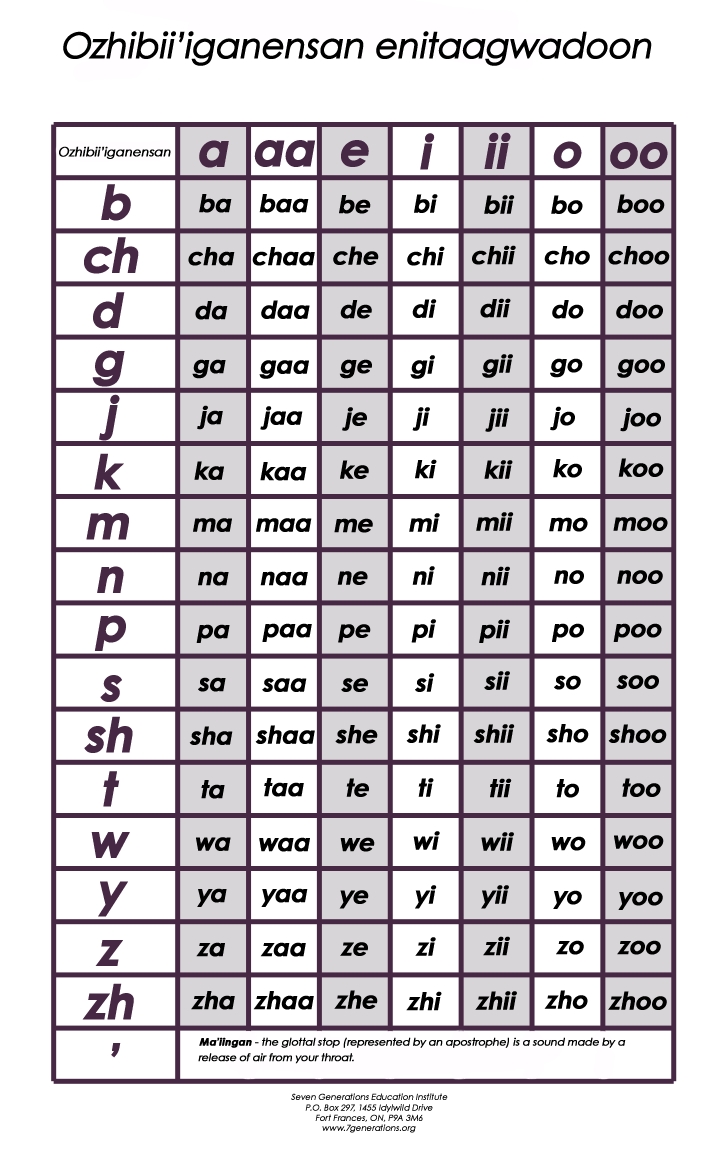
In the Ojibwe language, vowels are CRUCIAL to correctly speaking and writing the language. There are short vowels and long vowels. Of course, long vowels take longer to say than short vowels do.